
Simple Care Stops Water, Cracks, and Unsafe Wear
How chimney services help prevent structural damage by finding small problems early and fixing them before they spread. A chimney faces rain, wind, heat, smoke, and time every day. Those forces can break mortar, crack bricks, and let water get inside the home. When damage starts, it often moves beyond the chimney and affects walls, ceilings, framing, and even the roof. Regular care helps stop that chain of damage before repairs become much larger.
Why Prevention Matters
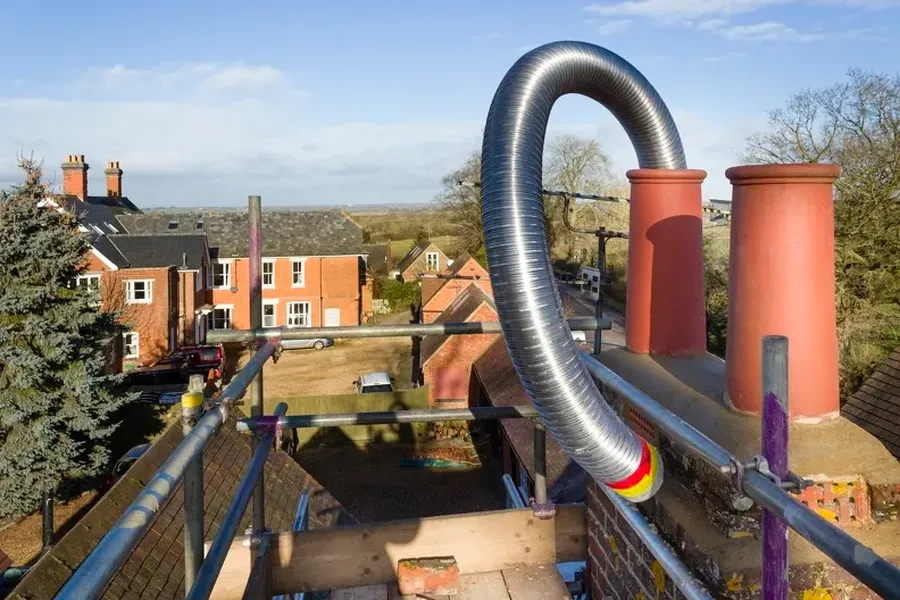
A chimney is heavy. It also sits high on the house, where it takes the full hit from weather. If the bricks or mortar weaken, the whole structure can shift. Water is often the main problem. It slips into tiny gaps, then spreads into larger cracks. In cold weather, that water can freeze and expand. Over time, the chimney may lean, flue liners may fail, and nearby building parts may start to rot. That is why chimney services matter for prevention, not just repair.
Early Warning Signs
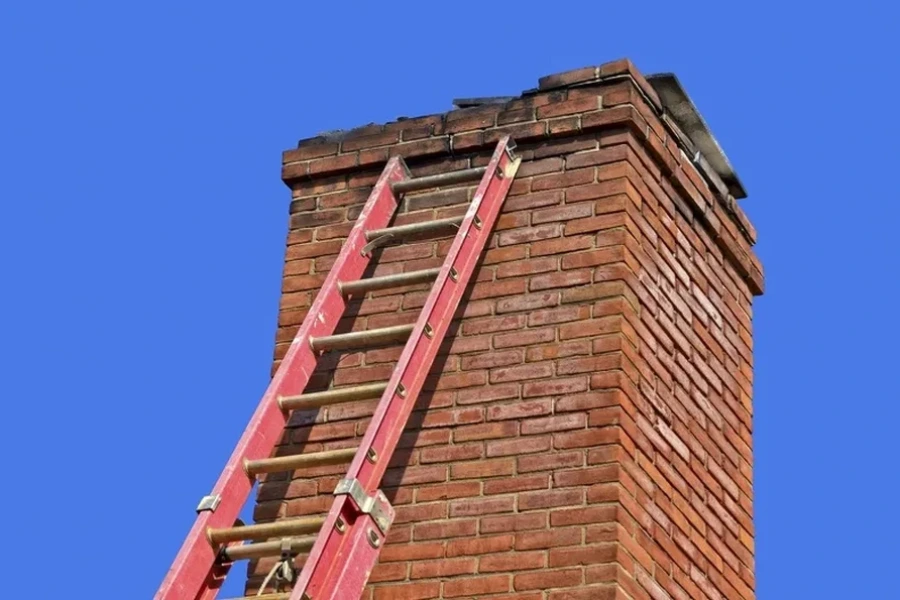
Many homeowners do not notice chimney trouble right away. The signs can seem small at first. A few hairline cracks may not look serious, but they can point to a deeper issue. Stains on the ceiling near the fireplace can also be tied to chimney leaks. A smoky smell after rain can mean moisture is getting trapped inside. If bricks start to flake or mortar falls out, the structure is already under stress.
- Cracked or missing mortar joints
- loose, broken, or spalling bricks
- White staining on brick surfaces
- Rust on the damper or firebox parts
- Water spots near the fireplace
- A tilting or leaning chimney stack
Seasonal or Routine Checklist
Prevention works best when it is routine. A simple check once or twice a year can catch many issues before they grow. Fall is a smart time to inspect the system before heavy fireplace use. Spring is also helpful because winter often leaves behind hidden damage. This kind of service category work supports both safety and long-term building health.
- Check the chimney crown for cracks
- Look at mortar joints for gaps or wear
- Inspect flashing where the chimney meets the roof
- Watch for signs of water stains indoors
- Check for loose bricks or broken caps
- Schedule a cleaning and inspection if the fireplace is used often
Best Practices for Long-Term Results
Long-term protection usually comes from a few key steps. One is keeping water out. A chimney cap helps block rain, animals, and debris. Flashing around the base of the chimney helps stop leaks at the roofline. A sound crown helps shed water away from the masonry. Another good step is waterproofing the outside brick with a vapor-safe product made for chimneys. This helps reduce water intake while still letting trapped moisture escape.
Good maintenance also includes fixing mortar before it falls apart. Repointing replaces worn joints and helps the chimney stay strong. If liner damage is found, repair should not wait. A bad liner can let heat and gases affect nearby materials. That can weaken parts of the home over time. chimney services often combine inspection, masonry repair, cap work, flashing repair, and cleaning to keep the whole system working as one.
What Not to Do
Some quick fixes can make chimney damage worse. Smearing standard caulk over cracked masonry does not solve the real problem. It may trap water inside the brick. Painting over stains without finding the leak only hides the issue for a short time. Climbing onto the roof without the right gear is also risky. Chimneys are tall, steep, and often more damaged than they look from the ground.
It is also a mistake to wait until pieces fall off the chimney. By then, moisture may have already reached attic wood, insulation, drywall, or framing. A chimney problem can start outside and slowly move inward. That is why early action saves both money and stress, even when the damage seems minor at first.
When to Schedule Professional Help
Professional help is a smart choice when you see cracks, water stains, leaning brickwork, or signs of liner trouble. It is also wise before buying an older home or after a strong storm. A trained crew can spot hidden trouble that is easy to miss from the yard. That includes cracked crowns, failed flashing, soft mortar, and moisture inside the flue.
If you live in Conroe, TX, changing weather can speed up wear on masonry. Heat, heavy rain, and cold snaps all put stress on the chimney. Regular inspections help catch that wear early. A pro can also tell the difference between surface aging and true structural risk. That matters when deciding if the chimney needs a small repair or a larger rebuild.
Help for Protecting Your Home
When chimney damage starts, we can help spot the cause and recommend the next step before it spreads through the house. If you are in Conroe, TX, call (936) 703-8710 to talk with us about an inspection. At Brick and Stone, we focus on safe, practical repairs that help protect your chimney and home for the long run.