

Fast Action Helps Stop Trips, Falls, Loose Pieces, and Bigger Damage
Timely stone repair helps keep walkways, steps, patios, and entry areas safer for daily use. Small cracks, loose pieces, and uneven spots can turn into trip hazards very fast. When damage is fixed early, the surface stays more stable and easier to walk on. In Conroe, TX, this can also help limit damage from weather, foot traffic, and moisture before the problem spreads.
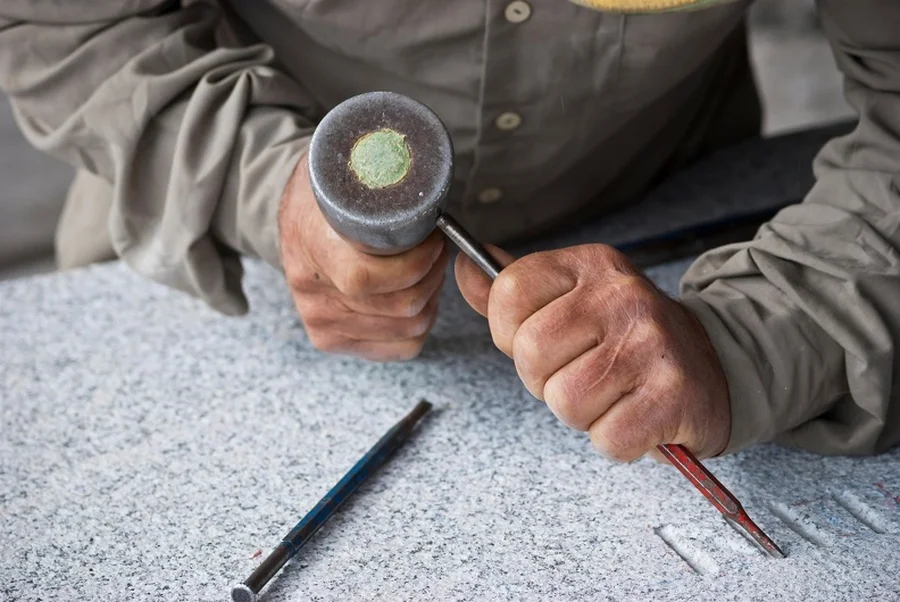
Why Prevention Matters
Stone surfaces often look strong, but they do not stay safe on their own. A tiny crack can widen over time. One loose edge can catch a shoe or make someone lose balance. Wet areas can grow slippery when water gets into broken joints or damaged sections. Fast stone repair helps lower those risks before someone gets hurt.
This also protects the surface itself. Damage that starts in one spot can move into nearby stones. A repair done early is often simpler than waiting until the whole area becomes uneven. This matters on front steps, pool decks, garden paths, and busy entryways where people walk every day.
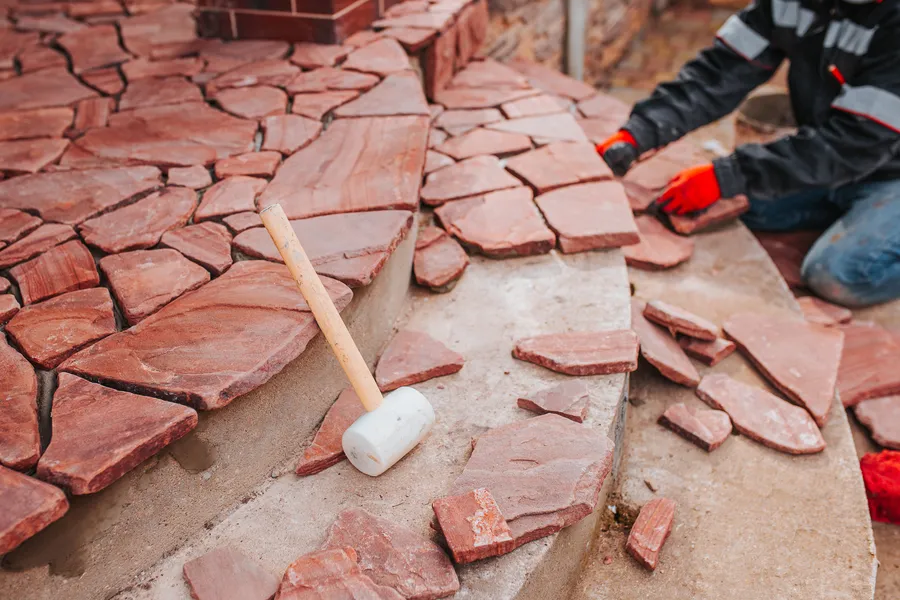
Early Warning Signs
Many safety problems start with signs that are easy to miss. A surface does not need to be fully broken to become unsafe. It only needs one weak spot in the wrong place. Checking stone areas often can help you catch problems before they grow.
- Cracks that are getting longer or wider
- Loose stones that shift underfoot
- Chipped edges on steps or walkways
- Sunken or raised sections that create uneven footing
- Missing joint material between stones
- Water pooling after rain or cleaning
- Slick spots caused by algae, dirt, or trapped moisture
If you notice one or more of these signs, it is smart to act soon. Waiting can make the area more dangerous, especially for kids, older adults, and guests who do not know where the weak spots are.
Seasonal or Routine Checklist
A simple routine can help you spot safety issues before they become expensive or hard to fix. Different seasons bring different risks. Rain can loosen joints. Heat can expand materials. Cold weather can make cracks worse if water gets inside and freezes.
- Walk the area slowly and look for uneven spots.
- Press lightly on stones to check for movement.
- Look at edges, corners, and step fronts for chips.
- Check for standing water after rain or washing.
- Remove leaves, moss, and dirt from the surface.
- Watch for changes after storms or heavy use.
- Schedule help if damage has spread beyond one small spot.
This kind of routine works well for most surfaces in the service category. It can be done around patios, outdoor stairs, courtyards, and stone entry paths. A few minutes of checking can help stop a much larger safety issue later.
Best Practices for Long-Term Results
Good care helps repaired stone last longer and stay safer. One helpful step is keeping water away from problem areas. If water drains toward the stone, damage often comes back. Clean surfaces also matter. Dirt and plant growth can hide cracks and make the area slippery.
It also helps to fix the cause, not only the surface mark. If a stone keeps shifting, the base under it may be weak. If joints keep opening, moisture may be getting below the surface. Lasting stone repair usually means looking at support, spacing, drainage, and wear together.
Use the area with care while a problem is still small. Heavy impact, dragging outdoor furniture, or ignoring a loose step can make the damage spread faster. Fast action gives you more repair options and helps keep the original look of the stone.
What Not to Do
Some quick fixes can make a hazard worse. Filling a crack with the wrong product may trap moisture or break apart fast. Patching over a loose stone without checking the base can leave the surface weak underneath. Power washing damaged joints too hard can remove what little support is left.
It is also a bad idea to ignore step damage because it seems small. Even a minor chip on a stair edge can affect footing. Rugs, mats, or planters should not be used to hide unsafe areas. That may block the view of the damage, but it does not remove the risk.
Another mistake is waiting until a family event or busy season to deal with it. By then, the problem may be larger, and more of the surface may need work. Safer results usually come from early care, not last-minute patching.
When to Schedule Professional Help
Some small surface issues are easy to spot, but deeper safety problems are harder to judge. A professional should look at the area if stones rock when stepped on, if a stair edge is broken, if several joints are failing, or if water keeps pooling in the same place. Those signs can point to deeper movement below the surface.
It is also smart to get expert help when the damaged area is in a high-traffic spot. Front entries, shared walkways, and pool surrounds need a stable and level surface. If the stone has sentimental value or is part of an older feature, careful repair can help preserve its look while improving safety.
Professional stone repair can also help when matching color, shape, texture, or joint lines matters. A safer surface should still look natural when the work is complete, and proper methods can help the repair blend in better.
Get Help Before Small Hazards Grow
For safer surfaces in Conroe, TX, we can inspect problem areas and help you decide the next step. Contact Brick and Stone to talk about your stone repair needs. Call us at (936) 703-8710 if you want a helpful, no-pressure way to protect your property and the people who use it.